Marjoram oil, rectified (CAS 8015-01-08) — Green Middle Note Fragrance Ingredient
Marjoram oil, rectified
CAS 8015-01-08
What Is Marjoram oil, rectified?
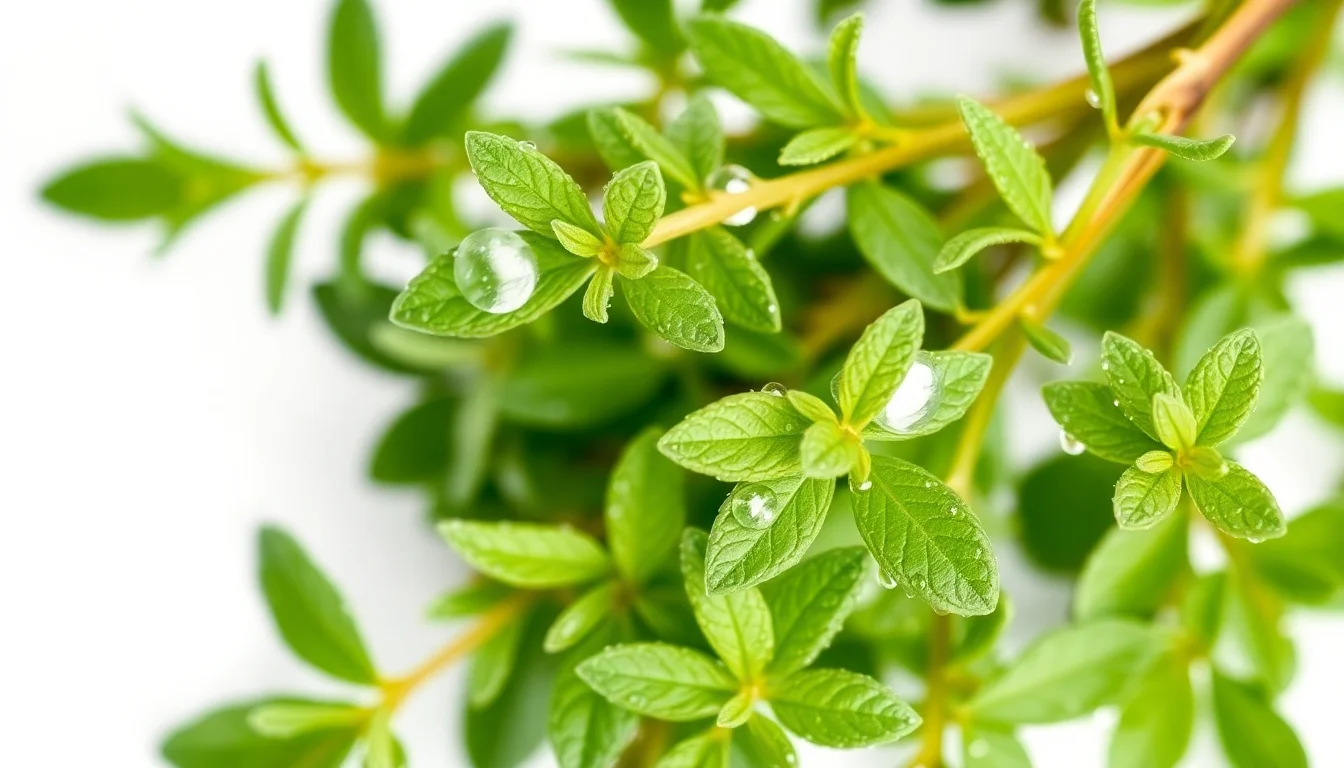
Marjoram oil, rectified is a steam-distilled essential oil from sweet marjoram herb (Origanum majorana). People encounter it in Mediterranean cooking, herbal teas, and aromatherapy products. This oil carries marjoram’s characteristic warm, herbaceous aroma with subtle floral and woody undertones. Its importance stems from being a versatile natural ingredient that bridges culinary and fragrance applications, offering both flavor and scent complexity.
Safety Profile
GENERALLY SAFEWhat Does Marjoram oil, rectified Smell Like?
Rectified marjoram oil opens with a bright, herbaceous punch reminiscent of fresh-cut oregano with sweeter nuances. The heart reveals a warm, camphoraceous character balanced by delicate floral whispers of lavender and a touch of citrus. As it dries, woody and slightly spicy notes emerge, leaving a comforting, hay-like warmth. The overall impression is like walking through a sun-drenched Mediterranean herb garden after a light rain – earthy yet uplifting, with a clean medicinal edge that prevents it from becoming cloying.
In Famous Fragrances
Fragrance associations may not reflect actual formulations.
Used in the aromatic fougère structure to add herbal depth, complementing rosemary and lavender with its slightly medicinal, green character that keeps the composition fresh yet grounded.
Marjoram oil contributes to the complex herbaceous bouquet, blending with anise and lavender to create a distinctive aromatic signature in this classic masculine fragrance.
Chemistry, Properties & Perfumer Guide
The Chemistry
Marjoram oil consists primarily of monoterpenes and oxygenated monoterpenoids. The rectification process selectively removes certain heavier components, resulting in a lighter, more refined oil. Key constituents include terpinen-4-ol (up to 40%), γ-terpinene, and sabinene. The oil is obtained through steam distillation of flowering tops, with rectification involving fractional distillation to standardize composition. Unlike some oregano species, sweet marjoram contains minimal phenols like carvacrol, making it gentler for fragrance use.
Physical & Chemical Properties
| Appearance | Pale yellow to greenish liquid |
|---|---|
| Flash Point | ~60 °C |
| Refractive Index | 1.470 – 1.475 |
| Optical Rotation | +14° to +24° |
Key Constituent Properties
| Constituent | CAS | MW | BP °C | XLogP | Vapor P. |
|---|---|---|---|---|---|
| Terpinen-4-ol | 562-74-3 | 154.25 | 209-210 °C | 2.7 | 0.16 mmHg |
| γ-Terpinene | 99-85-4 | 136.23 | 183 °C | 3.8 | 1.3 mmHg |
Perfumer Guide
| Application | Typical % | Range | Notes |
|---|---|---|---|
| Fine Fragrance | 0.5-2% | Up to 5% | Adds herbal complexity to fougères and chypres |
| Functional Products | 0.1-0.5% | Up to 1% | Used in soaps and detergents for fresh herbal notes |
Classic Accords
Tip: Marjoram oil can help bridge green top notes with woody bases – use it to smooth transitions in herbal compositions.
Alternatives & Comparisons
More camphoraceous with higher cineole content; use when needing stronger medicinal character in masculine fragrances.
Offers similar herbal profile but with more pronounced floral sweetness, useful when marjoram’s medicinal edge is too strong.
Safety, Regulatory & Sustainability
⚠ Regulatory Disclaimer
General reference only. Consult current IFRA Standards Library before formulating.
IFRA Status
No restrictions under IFRA standards. Listed as safe for use in all categories when used at typical levels.
EU Allergen Declaration
None of the constituents are listed in EU allergen regulation (EC) No 1223/2009.
RIFM Assessment
RIFM evaluation confirms safety at current use levels, with no significant sensitization concerns for properly rectified oil.
Sustainability
Marjoram is cultivated extensively in Mediterranean countries and North Africa, with wild harvesting playing a minor role. The distillation process is energy-efficient compared to some other EOs. Some producers are implementing regenerative farming practices to maintain soil health in marjoram-growing regions. Synthetic alternatives exist but lack the full complexity of natural marjoram oil.
Explore Marjoram oil, rectified
Browse essential oils and aroma compounds.
Browse on iHerb →Affiliate disclosure: we may earn a small commission at no extra cost to you.
References
- Tucker, A.O. & DeBaggio, T. (2009). The Encyclopedia of Herbs. Timber Press.
- Baser, K.H.C. & Buchbauer, G. (2010). Handbook of Essential Oils. CRC Press.
Data: PubChem (NIH), PubMed, RIFM, IFRA. Last reviewed: Apr 2026.
Report a data errorRelated Research
- Oud Oil (Agarwood) (CAS 68991-50-4) — Woody Base Note Fragrance Ingredient
- Citrus hystrix oil (CAS 929194-65-0) — Citrus Top Note Fragrance Ingredient
- Myristo nitrile (CAS 629-63-0) — Balsamic Middle Note Fragrance Ingredient
- 9-Octadecenoic acid, 12-hydroxy-, zinc salt (2:1), [R-(Z)]- (CAS 13040-19-2) — Citrus Non-olfactive Note Fragrance Ingredient