Pyroligneous acid (CAS 8030-97-5) — Woody Base Note Fragrance Ingredient
Pyroligneous acid
CAS 8030-97-5
What Is Pyroligneous acid?
Pyroligneous acid, often called wood vinegar, is a smoky liquid produced by burning wood. It’s encountered in some traditional medicines, agricultural products, and niche fragrances seeking a campfire-like character. This ingredient matters for perfumers creating authentic smoke accords, as it captures the complex, charred wood notes of actual burning timber without synthetic alternatives.
Safety Profile
PROFESSIONAL USEWhat Does Pyroligneous acid Smell Like?
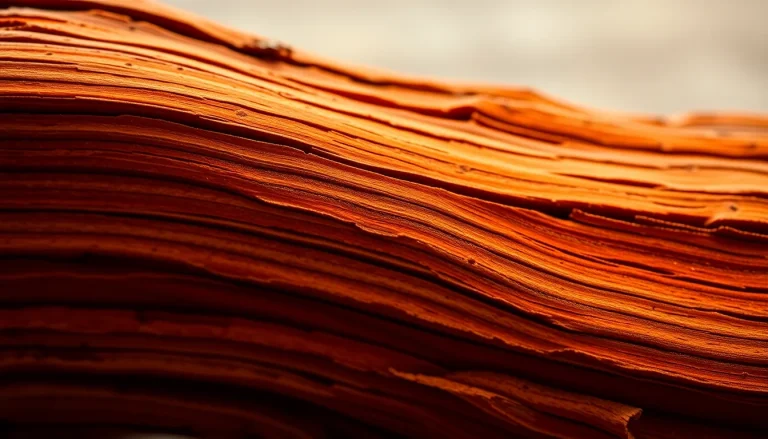
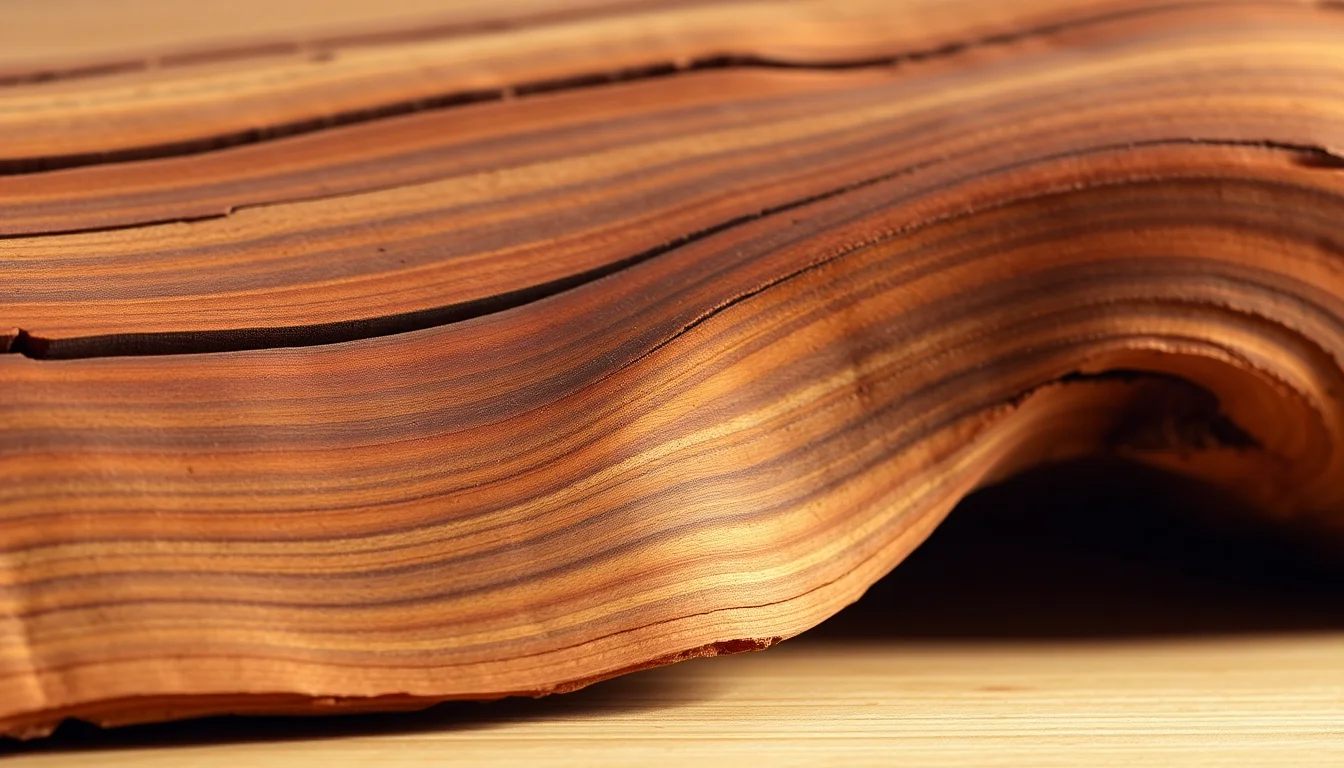
Pyroligneous acid delivers an intense, primal smokiness—like standing downwind of a hardwood bonfire. The initial blast is acrid and phenolic, with tar-like medicinal sharpness that quickly mellows into a warm, leathery heart. As it dries, charred maple and hickory nuances emerge alongside faint sweet-sour vinegar undertones. The dry-down lingers as a persistent ashy residue, making it ideal for adding smoky depth to leather, tobacco, or woody bases without overwhelming composition.
Chemistry, Properties & Perfumer Guide
The Chemistry
A complex mixture of over 200 compounds formed during wood pyrolysis, primarily containing acetic acid (10-20%), methanol, acetone, and phenolic derivatives like guaiacol. Industrial production involves destructive distillation of hardwood at 400-500°C, followed by fractional condensation. The smoky character arises from lignin degradation products including syringol and catechol derivatives. No chiral centers exist due to the pyrolytic nature of production.
Physical & Chemical Properties
| Appearance | Brown-black liquid |
|---|---|
| pH | 2-3 |
Perfumer Guide
| Application | Typical % | Range | Notes |
|---|---|---|---|
| Niche Fragrance | 0.1-0.5% | Max 1% | Extreme potency requires heavy dilution |
| Functional Fragrance | 0.01-0.1% | N/A | Smoke effects in candles/incense |
Classic Accords
Tip: Pre-dilute to 1% in ethanol before incorporating to avoid overwhelming blends.
Alternatives & Comparisons
Synthetic alternative with cleaner smoke profile, less acetic sharpness. Preferred for mainstream fragrances requiring controlled smokiness.
Less acidic, more leathery-tarry smoke character. Better for historical leather accords.
Safety, Regulatory & Sustainability
⚠ Regulatory Disclaimer
General reference only. Consult current IFRA Standards Library before formulating.
IFRA Status
Not specifically restricted by IFRA, but falls under general guidance for phenolic compounds (Amendment 49).
GHS Classification
RIFM Assessment
No formal RIFM assessment due to industrial/agricultural primary uses. Considered high-risk for direct skin contact.
Sustainability
Production is energy-intensive but utilizes waste wood. Some suppliers use closed-loop systems to capture all pyrolysis byproducts. Synthetic alternatives generally have lower carbon footprints but lack the authentic complexity. Ethical sourcing concerns exist regarding deforestation impacts in some regions.
Explore Pyroligneous acid
Browse essential oils and aroma compounds.
Browse on iHerb →Affiliate disclosure: we may earn a small commission at no extra cost to you.
References
- Mohan et al. (2006). Pyrolysis of Wood/Biomass. Energy & Fuels. DOI:10.1021/ef0502397
- PubChem Compound Summary PubChem
Data: PubChem (NIH), PubMed, RIFM, IFRA. Last reviewed: Apr 2026.
Report a data errorRelated Research
- Octahydro-8,8-dimethylnaphthalene-2-carbaldehyde (CAS 68738-94-3) — Woody Middle to base Note Fragrance Ingredient
- Furan, 5-(hexyloxy)tetrahydro-2,2-dimethyl- (CAS 1497420-94-6) — Woody Middle to base Note Fragrance Ingredient
- L-Phenylalanine, N-(3,3-dimethylbutyl)-L--aspartyl-, 2-methyl ester (CAS 165450-17-9) — Sweet N/A Note Fragrance Ingredient
- 3-(Methylthio)propyl acetate (CAS 16630-55-0) — Sweet Top Note Fragrance Ingredient

![8-Ethyl-1,5-dimethylbicyclo[3.2.1]octan-8-ol (CAS 84681-92-5) — Woody Base Note Fragrance Ingredient](https://thegoodscents.company/wp-content/uploads/2026/04/8-ethyl-1-5-dimethylbicyclo-3-2-1-octan-8-ol-1-768x439.webp)
![(2R*,4R*,4aR*,9bS*)- 2,4-dimethyl-4,4a,5,9b-tetrahydroindeno[ 1,2- d][1,3]dioxine (CAS 578020-40-3) — Woody Unknown Note Fragrance Ingredient](https://thegoodscents.company/wp-content/uploads/2026/04/unnamed-file-81-768x439.webp)