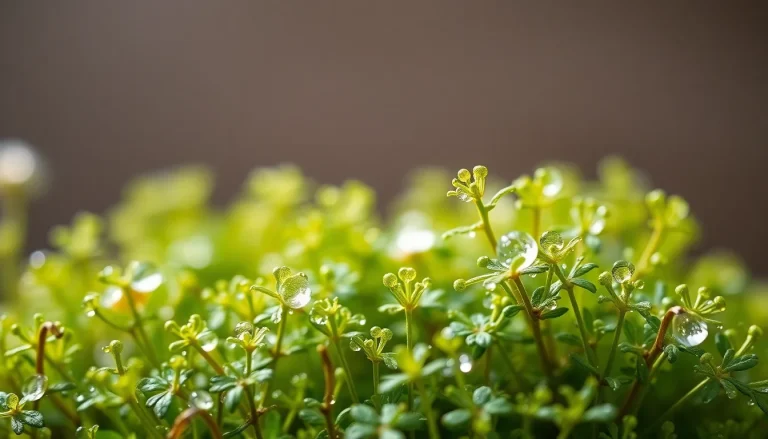
Hay Absolute (CAS ) — Hay IFRA Note Fragrance Ingredient
Hay Absolute
CAS
What Is Hay Absolute?
Hay Absolute is a rich, warm fragrance material derived from dried grasses, often encountered in autumnal perfumes and nostalgic home fragrances. It captures the essence of sun-drenched meadows and barn lofts. This ingredient matters for its ability to evoke pastoral memories and add a comforting, earthy depth to compositions, bridging the gap between green freshness and woody warmth.
Safety Profile
USE WITH AWARENESSWhat Does Hay Absolute Smell Like?
Hay Absolute unfolds with an initial burst of sun-baked grasses and faint herbal sweetness, like the first whiff of a summer meadow at dusk. The heart reveals a complex interplay of coumarinic warmth (reminiscent of vanilla-toned tobacco) and delicate floral undertones. As it dries down, it develops a honeyed, slightly animalic depth that lingers close to the skin – imagine weathered leather bound books stored in a hayloft. The dry-down maintains a soft powdery-woody character with whispers of dried fruit and amber.
Scent Profile
In Famous Fragrances
Fragrance associations may not reflect actual formulations.
Hay Absolute provides the signature sun-dried grass accord that blends with honey and tobacco, creating Chergui’s iconic golden, slightly narcotic warmth.
Used as an earthy counterpoint to citrus top notes, the hay adds a rustic masculinity to this modern woody fragrance.
Hay Absolute contributes to the parched, windswept quality of this fragrance, evoking sun-bleached grasses in arid landscapes.
The hay note here softens the chypre structure with a nostalgic, pastoral quality that contrasts with the mossy base.
This solinote interpretation showcases hay’s full spectrum from fresh-cut grass to sweet, hayloft-dried complexity.
Chemistry, Properties & Perfumer Guide
The Chemistry
Hay Absolute is obtained through solvent extraction of dried grasses (typically Timothy, Rye or Oat grasses). The composition varies by source but contains coumarins (including coumarin itself at 2-8%), phenolic compounds, and sesquiterpenes. Key aromatic molecules include phenylpropanoids like melilotol and various lactones that contribute to its sweet, hay-like character. Modern perfumery often supplements natural hay absolute with synthetic coumarin and hay-like bases (such as fenugreek absolute) to achieve consistent olfactory profiles while reducing seasonal variation in natural materials.
Chemical Composition
Physical & Chemical Properties
| Appearance | Dark brown viscous liquid |
|---|---|
| Solubility | Soluble in alcohol, insoluble in water |
Key Constituent Properties
| Constituent | CAS | MW | BP °C | XLogP | Vapor P. |
|---|---|---|---|---|---|
| Coumarin | 91-64-5 | 146.14 | 301 °C | 1.4 | 0.0003 mmHg |
| Melilotol | 1078-61-1 | 194.23 | 312 °C | 2.9 | 0.0001 mmHg |
Perfumer Guide
| Application | Typical % | Range | Notes |
|---|---|---|---|
| Fine Fragrance | 0.5-2% | Up to 5% | Adds warmth and rustic character |
| Home Fragrance | 1-3% | Up to 8% | Creates nostalgic, comforting atmospheres |
| Soap/Candle | 0.1-0.5% | Up to 1% | Use sparingly due to coumarin content |
Classic Accords
Tip: Bloom in alcohol before blending to prevent precipitation in final formulations.
Alternatives & Comparisons
Provides similar sweet hay-like notes with maple syrup undertones, often used when a more gourmand character is desired.
Pure synthetic coumarin offers the sweet hay facet without the full complexity, useful for boosting hay notes economically.
A cleaner, greener-smelling alternative with less animalic depth, preferred for fresh hay interpretations.
Safety, Regulatory & Sustainability
⚠ Regulatory Disclaimer
General reference only. IFRA, REACH, EU Cosmetics Regulation standards update periodically. Consult current IFRA Standards Library before formulating. Not legal or regulatory advice.
IFRA Status
No specific restrictions under IFRA 51st Amendment, but usage should comply with general coumarin limits (3.9% in leave-on products).
EU Allergen Declaration
Contains coumarin (CAS 91-64-5) which must be declared above 0.01% in leave-on and 0.001% in rinse-off products.
GHS Classification
RIFM Assessment
RIFM assessment confirms safe use at current industry levels, with emphasis on proper allergen labeling.
Sustainability
Hay Absolute production is relatively sustainable as it utilizes agricultural byproducts. However, solvent extraction processes require energy inputs. Some perfumers advocate for CO2 extracts as a greener alternative, though these lack the full complexity of traditional absolutes. Responsible sourcing ensures no conflict with animal feed supplies.
Explore Hay Absolute
Browse essential oils and aroma compounds.
Browse on iHerb →Affiliate disclosure: we may earn a small commission at no extra cost to you.
References
- Arctander, S. (1960). Perfume and Flavor Materials of Natural Origin.
- IFRA Standards Library, 51st Amendment Link
- Bickers et al. (2003). The safety assessment of coumarin. International Journal of Toxicology. PMID 12851154
Data: PubChem (NIH), PubMed, RIFM, IFRA. Last reviewed: Mar 2026.
Report a data errorRelated Research