Hemp oil (CAS 89958-21-4) — Fragrance Ingredient Profile
Hemp oil
CAS 89958-21-4
What Is Hemp oil?
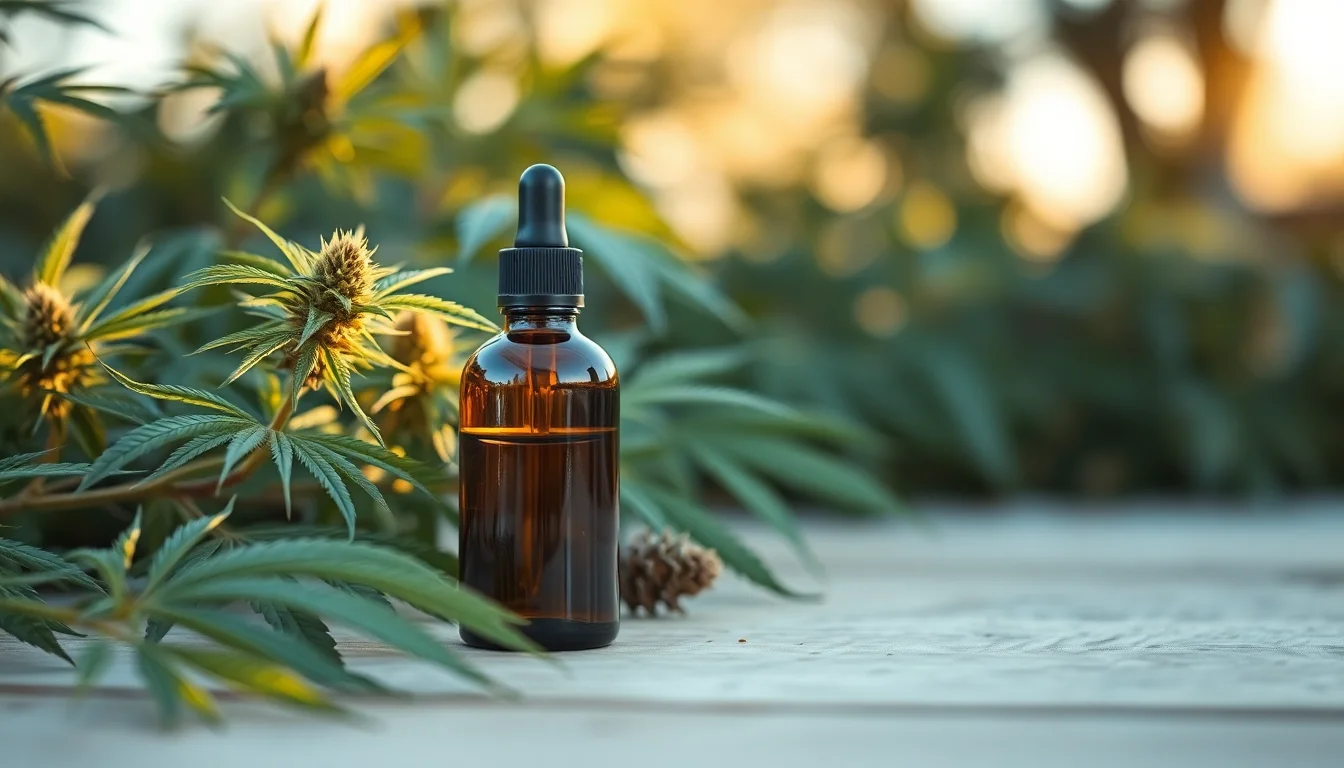
Hemp oil is extracted from the seeds of the hemp plant (Cannabis sativa). It’s commonly found in skincare products, aromatherapy blends, and some fragrances. Unlike CBD oil, it contains minimal cannabinoids. Hemp oil matters because it’s a sustainable, plant-derived ingredient that adds a subtle earthy-green character to fragrances while being rich in beneficial fatty acids.
Safety Profile
GENERALLY SAFEWhat Does Hemp oil Smell Like?
Hemp oil carries a soft, nutty-green aroma with faint earthy undertones reminiscent of crushed fresh leaves and raw sunflower seeds. The scent evolves subtly on skin, starting with a crisp vegetal top note that settles into a warm, slightly woody dry-down. Unlike cannabis flowers, it lacks the pungent skunky notes, instead offering a gentle, natural earthiness that blends well with herbal and woody accords.
Scent Profile
In Famous Fragrances
Fragrance associations may not reflect actual formulations.
Used for its natural earthy-green character that complements patchouli’s depth without overpowering. Provides a sustainable, plant-derived base note alternative to synthetic musks.
Hemp oil adds authentic vegetal nuance to this fragrance’s cannabis accord, blending seamlessly with sandalwood to create a creamy, earthy dry-down.
Chemistry, Properties & Perfumer Guide
The Chemistry
Hemp oil is primarily composed of triglycerides with high concentrations of polyunsaturated fatty acids (55% linoleic acid, 20% α-linolenic acid). The characteristic aroma comes from minor volatile components including phytol and various terpenes. Cold-pressed extraction preserves the oil’s natural composition. Unlike CBD oil, it contains negligible cannabinoids (<0.3% THC).
Physical & Chemical Properties
| Color | Pale yellow to dark green |
|---|---|
| Consistency | Medium viscosity liquid |
Perfumer Guide
| Application | Typical % | Range | Notes |
|---|---|---|---|
| Skincare Fragrance | 1-3% | Up to 5% | Adds natural earthy notes |
| Aromatherapy Blends | 2-5% | Up to 10% | Carrier oil with subtle scent |
Classic Accords
Tip: Use hemp oil to add natural green-woody nuances without the legal complexities of cannabis-derived ingredients.
Alternatives & Comparisons
Milder scent profile when a neutral carrier oil is needed.
Similar fatty acid profile with less pronounced aroma.
Safety, Regulatory & Sustainability
⚠ Regulatory Disclaimer
General reference only. IFRA, REACH, EU Cosmetics Regulation standards update periodically. Consult current IFRA Standards Library before formulating. Not legal or regulatory advice.
IFRA Status
No restrictions. Not listed in IFRA Standards.
RIFM Assessment
Considered safe for use in cosmetics based on fatty acid composition.
Sustainability
Hemp is a highly sustainable crop requiring minimal pesticides and improving soil health. Cold-pressed extraction has low environmental impact. Choosing European or North American grown hemp ensures responsible farming practices.
Explore Hemp oil
Browse essential oils and aroma compounds.
Browse on iHerb →Affiliate disclosure: we may earn a small commission at no extra cost to you.
References
- Callaway JC. (2004). Hempseed as a nutritional resource. Euphytica. DOI 10.1007/s10681-004-4811-6
Data: PubChem (NIH), PubMed, RIFM, IFRA. Last reviewed: Apr 2026.
Report a data errorIngredient Data Sheet
CAS 89958-21-4Physical data: PubChem (NIH/NLM), U.S. EPA CompTox Dashboard, EPA OPERA models, RDKit. Odor & flavor: Arctander (Perfume & Flavor Chemicals), Fenaroli's Handbook of Flavor Ingredients, Leffingwell. Thresholds: van Gemert (Compilations of Odour Threshold Values). Regulatory: IFRA Standards 51st, FEMA GRAS. Trade names: Surburg (Common Fragrance & Flavor Materials). All data compiled and cross-referenced for perfumertools.com.
Related Research
- Cyclohexanecarboxylic acid, 1,4-dimethyl-, methyl ester, cis- (CAS 23059-38-3) — Woody Middle Note Fragrance Ingredient
- 2,4-Hexadienyl isobutyrate (CAS 16491-24-0) — Sweet Top to middle Note Fragrance Ingredient
- 2,4-Dimethylpyridine (CAS 108-47-4) — Woody Top Note Fragrance Ingredient
- Terpinyl acetate (Isomer mixture) (CAS 8007-35-0) — Green Top to middle Note Fragrance Ingredient

![Copper, [dihydrogen 21-carboxy-14-ethyl-4,8,13,18-tetramethyl-20-oxo-9-vinyl-3-phorbinepropionato(2-)]-, 21-methyl phytyl ester, (E)- (CAS 15739-09-0) — Citrus Undefined Note Fragrance Ingredient](https://thegoodscents.company/wp-content/uploads/2026/04/copper-dihydrogen-21-carboxy-14-ethyl-4-8-13-18-tetramethyl-1-1-768x439.webp)