
Rose alba oil (CAS 93334-48-6) — Floral Heart Note Fragrance Ingredient
Rose alba oil
CAS 93334-48-6
What Is Rose alba oil?
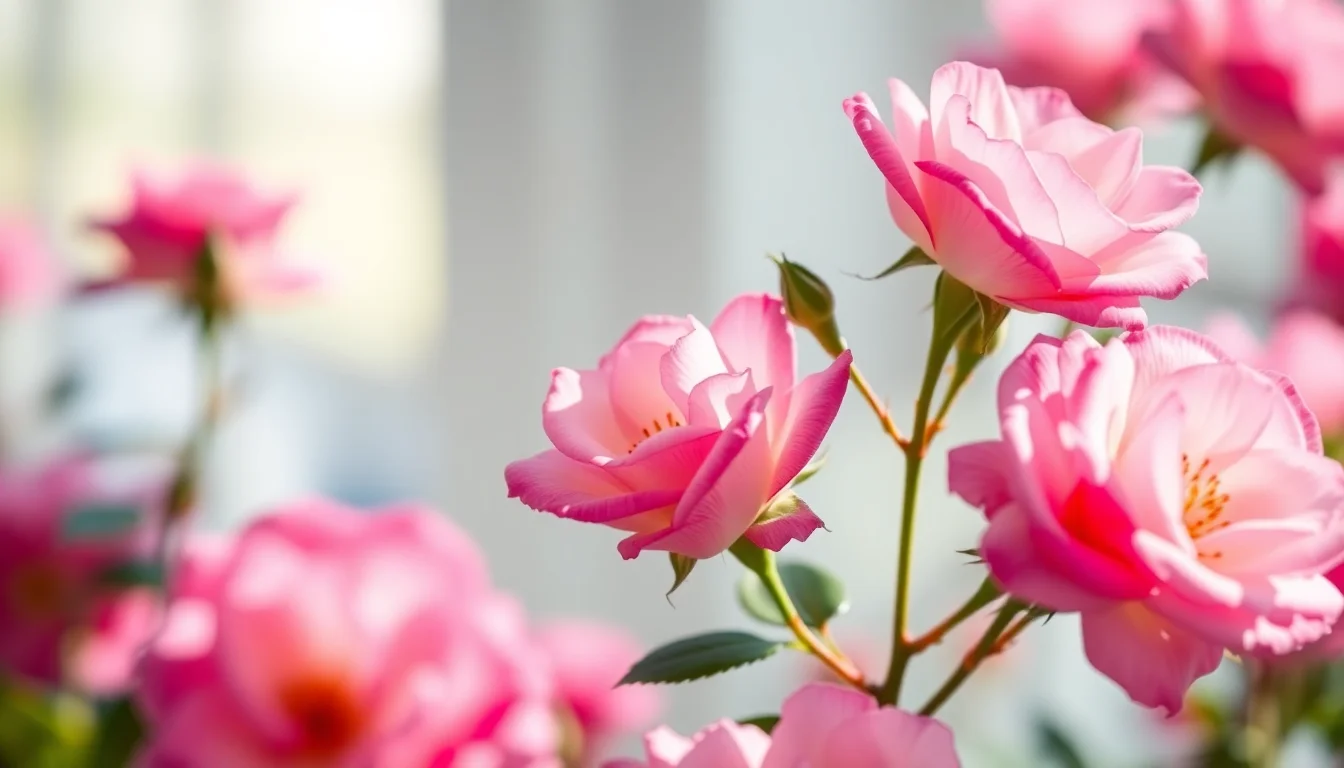
Rose alba oil is a luxurious essential oil extracted from the petals of white roses. It’s found in high-end perfumes, skincare, and aromatherapy products. This oil captures the delicate, fresh character of roses without the heaviness of darker rose varieties. Its rarity and labor-intensive production make it a prized ingredient, evoking purity and elegance in formulations.
Safety Profile
GENERALLY SAFEWhat Does Rose alba oil Smell Like?
A dewy morning rose garden distilled into liquid form. Opens with crisp green stems and subtle citrus-peel brightness, unfolding into a true rose heart of honeyed petals with faint violet undertones. The dry-down reveals tender musk and warm spice, like rosewater left on sun-warmed skin. More ethereal than damask rose, with a transparency that floats rather than clings.
In Famous Fragrances
Fragrance associations may not reflect actual formulations.
The iconic aldehydic floral uses rose alba for its airy quality, blending with jasmine to create the ‘costliest perfume in the world’ without heaviness.
Modern citrus-rose where rose alba’s freshness plays against sharp rhubarb and tea notes for a deconstructed floral effect.
Chemistry, Properties & Perfumer Guide
The Chemistry
Rose alba oil contains over 300 compounds, dominated by citronellol (25-35%), geraniol (15-25%), and nerol (5-15%). The characteristic freshness comes from trace aldehydes like rose oxide. Unlike damask rose (Rosa damascena), alba varieties have higher phenylethyl alcohol content (up to 3%) contributing to their lighter profile. Solvent extraction yields absolutes richer in waxes, while steam distillation produces clearer oils with better solubility in alcohol bases.
Physical & Chemical Properties
| Appearance | Pale yellow to orange viscous liquid |
|---|---|
| Specific Gravity | 0.850-0.880 |
| Refractive Index | 1.4520-1.4660 |
| Optical Rotation | -2° to -5° |
Perfumer Guide
| Application | Typical % | Range | Notes |
|---|---|---|---|
| Fine Fragrance | 0.5-2% | Up to 5% | Adds luminous floralcy |
| Skincare | 0.01-0.1% | Up to 0.5% | Antioxidant benefits |
| Candles | 1-3% | Up to 5% | Blends with woody notes |
Classic Accords
Tip: Use in traces with citrus top notes to prevent candied effects.
Alternatives & Comparisons
When deeper, spicier rose character is needed, though requires more careful blending to avoid dominance.
For cost-sensitive applications requiring rose floralcy without full complexity.
Safety, Regulatory & Sustainability
⚠ Regulatory Disclaimer
General reference only. Consult current IFRA Standards Library before formulating.
IFRA Status
Not restricted. IFRA Certificate available for rose oils meeting purity standards.
EU Allergen Declaration
Contains geraniol and citronellol – EU allergen declaration required above 0.001% in leave-on products.
RIFM Assessment
RIFM assessment confirms safe use at current industry levels.
Sustainability
Requires approximately 8,000 hand-picked rose blossoms to produce 1ml of oil, making ethical sourcing critical. Organic cultivation is increasing in Bulgaria’s Rose Valley. Some producers are developing carbon-neutral distillation methods using solar energy. Synthetic alternatives exist but lack the nuanced complexity of true rose alba.
Explore Rose alba oil
Browse essential oils and aroma compounds.
Browse on iHerb →Affiliate disclosure: we may earn a small commission at no extra cost to you.
References
- ISO 9842:2003 – Oil of rose (Rosa x alba) ISO Standard
- Tisserand, R. (2014). Essential Oil Safety. Textbook
Data: PubChem (NIH), PubMed, RIFM, IFRA. Last reviewed: Apr 2026.
Report a data error

![Bicyclo[2.2.1]hept-5-en-2-ol, acetate (CAS 6143-29-9) — Woody Top to middle Note Fragrance Ingredient](https://thegoodscents.company/wp-content/uploads/2026/04/bicyclo-2-2-1-hept-5-en-2-ol-acetate-1-768x439.webp)