Styrax Resinoid (CAS 8024-01-09) — Balsamic Base Note Fragrance Ingredient
Styrax Resinoid
CAS 8024-01-09
What Is Styrax Resinoid?
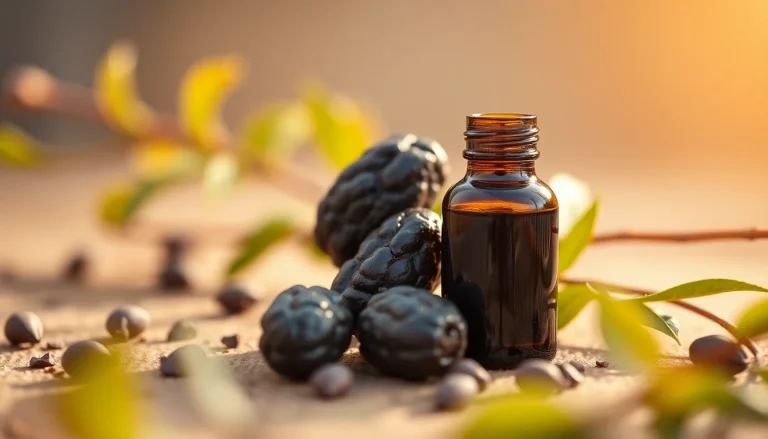
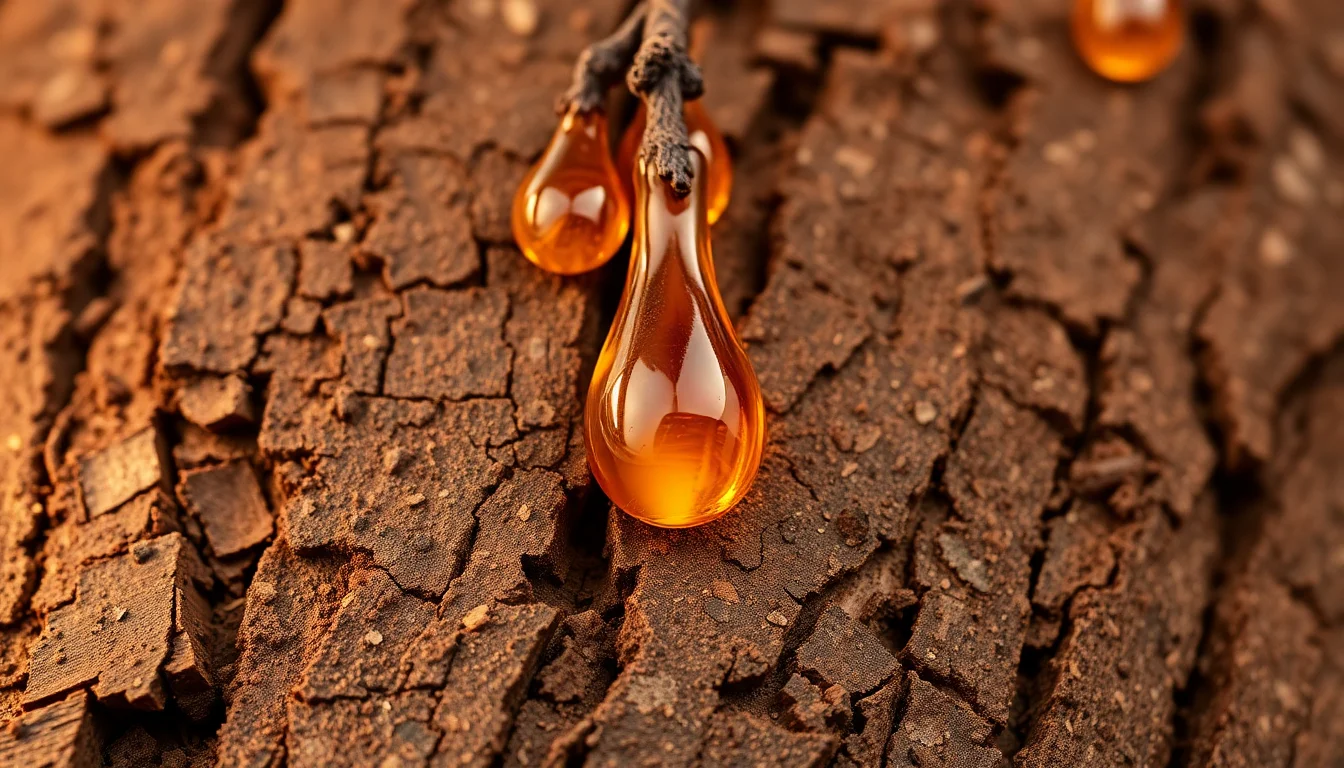
Styrax resinoid is a fragrant material derived from the bark of Liquidambar trees, primarily found in Turkey and Southeast Asia. It’s used in perfumery as a warm, balsamic base note, often encountered in oriental and amber fragrances. This resinoid adds depth and longevity to fragrances, prized for its rich, vanilla-like sweetness with subtle spicy undertones. It’s a key component in creating luxurious, comforting scent profiles.
Safety Profile
USE WITH AWARENESSWhat Does Styrax Resinoid Smell Like?
Styrax resinoid unfolds with an initial burst of warm, honeyed sweetness reminiscent of vanilla pods stewed in syrup. As it settles, a complex heart emerges – cinnamon-dusted figs dipped in dark rum, with whispers of sun-warmed tree bark. The dry-down is profoundly balsamic, like antique leather-bound books stored in a cedar chest, with lingering traces of benzoin and a faint medicinal edge that prevents cloying sweetness. Its tenacity makes it a cornerstone for oriental compositions, where it acts as both fixative and olfactory anchor.
Scent Profile
In Famous Fragrances
Fragrance associations may not reflect actual formulations.
Styrax provides the resinous backbone that balances Shalimar’s citrus top notes with its vanilla-amber heart, creating the signature ‘burned vanilla’ effect that defines this oriental masterpiece.
Here styrax amplifies the amber accord, adding a medicinal depth that contrasts with the fragrance’s herbal opening and animalic undertones.
The resinoid contributes to Opium’s addictive warmth, blending with spices and florals to create its notorious sillage and longevity.
Styrax bridges the gap between the fragrance’s sweet vanilla and dry tobacco notes, adding a balsamic complexity that prevents gourmand clichés.
Used sparingly to ground the oriental floral composition, styrax adds just enough resinous warmth to balance Coco’s bright citrus and spice opening.
Chemistry, Properties & Perfumer Guide
The Chemistry
Styrax resinoid is obtained through solvent extraction of the raw exudate from Liquidambar orientalis or L. styraciflua trees. The complex mixture contains cinnamic acid esters (especially cinnamyl cinnamate), styrene, vanillin, and various terpenoids. The resinoid differs from the essential oil by retaining more high-molecular-weight compounds that contribute to its exceptional fixative properties. Modern extraction techniques using food-grade solvents yield a cleaner product while preserving the characteristic balsamic profile. Chirality plays a role in its olfactory properties, with certain enantiomers contributing more significantly to the sweet versus medicinal aspects of the scent.
Chemical Composition
Physical & Chemical Properties
| Appearance | Dark brown viscous liquid |
|---|---|
| Solubility | Soluble in alcohol, fixed oils; insoluble in water |
| Flash Point | >100 °C |
Key Constituent Properties
| Constituent | CAS | MW | BP °C | XLogP | Vapor P. |
|---|---|---|---|---|---|
| Cinnamyl cinnamate | 122-69-0 | 264.30 | 370 °C | 4.5 | 0.0001 mmHg |
| Styrene | 100-42-5 | 104.15 | 145 °C | 2.7 | 5 mmHg |
Perfumer Guide
| Application | Typical % | Range | Notes |
|---|---|---|---|
| Fine Fragrance | 0.5-2% | Up to 5% | Provides warmth and fixative properties |
| Soap | 0.1-0.5% | Up to 1% | Use sparingly due to potential discoloration |
| Candles | 1-3% | Up to 5% | Excellent scent throw when combined with vanillin |
| Incense | 3-8% | Up to 15% | Traditional component of church incense blends |
Classic Accords
Tip: Combine with citrus top notes to prevent excessive heaviness in oriental compositions.
Alternatives & Comparisons
Offers similar balsamic qualities but with more vanilla-like sweetness and less medicinal character.
Provides comparable warmth and fixative properties but with more cinnamon-like spice notes.
A lighter alternative with floral facets that works well when styrax might overwhelm a composition.
Safety, Regulatory & Sustainability
⚠ Regulatory Disclaimer
General reference only. IFRA, REACH, EU Cosmetics Regulation standards update periodically. Consult current IFRA Standards Library before formulating. Not legal or regulatory advice.
IFRA Status
No specific IFRA restrictions. Contains styrene which is monitored under IFRA 49th Amendment.
EU Allergen Declaration
Contains cinnamyl alcohol (CAS 104-54-1) which requires declaration above 0.001% in leave-on products.
GHS Classification
RIFM Assessment
RIFM assessment confirms safe use at current industry levels, with sensitization potential noted at high concentrations.
Sustainability
Sustainable harvesting practices are increasingly important for styrax production, as over-tapping can damage Liquidambar trees. Some producers now use controlled incisions and rotational harvesting. Synthetic alternatives exist but lack the complexity of natural resinoid. The supply chain is relatively short, with most processing occurring near source regions in Turkey and Southeast Asia.
Explore Styrax Resinoid
Browse essential oils and aroma compounds.
Browse on iHerb →Affiliate disclosure: we may earn a small commission at no extra cost to you.
References
- Arctander, S. (1960). Perfume and Flavor Materials of Natural Origin.
- IFRA Standards Library, 49th Amendment IFRA Website
- RIFM Fragrance Ingredient Safety Assessment RIFM Database
Data: PubChem (NIH), PubMed, RIFM, IFRA. Last reviewed: Mar 2026.
Report a data error