2H-2,4a-Methanonaphthalene, 1,3,4,5,6,7-hexahydro-7-methoxy-1,1,5,5-tetramethyl- (CAS 676125-00-1) — Woody Base Note Fragrance Ingredient
2H-_2,_4a-_Methanonaphthalene, 1,_3,_4,_5,_6,_7-_hexahydro-_7-_methoxy-_1,_1,_5,_5-_tetramethyl-
CAS 676125-00-1
What Is 2H-_2,_4a-_Methanonaphthalene, 1,_3,_4,_5,_6,_7-_hexahydro-_7-_methoxy-_1,_1,_5,_5-_tetramethyl-?
2H-2,4a-Methanonaphthalene is a synthetic fragrance ingredient used in modern perfumery. It imparts unique woody and amber nuances to compositions. Consumers encounter it in high-end fragrances where it contributes to sophisticated dry-down effects. This molecule matters because it offers perfumers a sustainable alternative to rare natural materials while maintaining complexity.
Safety Profile
GENERALLY SAFEWhat Does 2H-_2,_4a-_Methanonaphthalene, 1,_3,_4,_5,_6,_7-_hexahydro-_7-_methoxy-_1,_1,_5,_5-_tetramethyl- Smell Like?
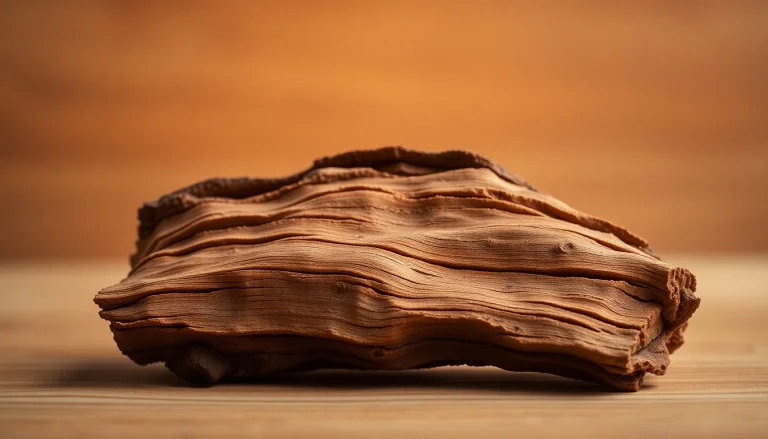
This synthetic molecule opens with a crisp, modern woody character reminiscent of freshly sanded cedar planks. As it evolves, subtle amber undertones emerge, like sun-warmed tree resin. The dry-down reveals a sophisticated muskiness akin to vintage leather book bindings, with a faint metallic edge that keeps the scent contemporary.
2D Molecular Structure
SMILES: COC1CC(C)(C)C23CCC(C2)C(C)(C)C3=C1
Chemistry, Properties & Perfumer Guide
The Chemistry
2H-2,4a-Methanonaphthalene belongs to the bicyclic sesquiterpenoid class, though it is produced synthetically. The molecule features a unique methanonaphthalene core structure that contributes to its stability and diffusion properties. Current synthesis routes typically involve catalytic cyclization of appropriate precursors, though proprietary methods may vary among manufacturers.
Physical & Chemical Properties
Perfumer Guide
| Application | Typical % | Range | Notes |
|---|---|---|---|
| Fine Fragrance | 1-3% | Up to 5% | Used for woody-amber foundation |
| Home Care | 0.5-1% | Up to 2% | Provides lasting freshness |
Classic Accords
Tip: Use with citrus top notes to prevent the dry-down from becoming too heavy.
Alternatives & Comparisons
Safety, Regulatory & Sustainability
⚠ Regulatory Disclaimer
General reference only. Consult current IFRA Standards Library before formulating.
IFRA Status
No current IFRA restrictions.
RIFM Assessment
No RIFM assessment found for this specific compound.
Sustainability
As a synthetic material, this ingredient doesn’t deplete natural resources. However, its environmental impact depends on the energy inputs and byproducts of its synthesis process. Some manufacturers may offer greener production methods.
Explore 2H-_2,_4a-_Methanonaphthalene, 1,_3,_4,_5,_6,_7-_hexahydro-_7-_methoxy-_1,_1,_5,_5-_tetramethyl-
Browse essential oils and aroma compounds.
Browse on iHerb →Affiliate disclosure: we may earn a small commission at no extra cost to you.
Ingredient Data Sheet
CAS 676125-00-1Physical Properties
| Molecular Weight | 234.38 g/mol🔬 PubChem |
| LogP (Octanol-Water) | 4.3🔬 PubChem |
| Boiling Point | 287 °C🔬 EPA CompTox |
| Vapor Pressure | 0.0025 mmHg @ 25°C📊 OPERA |
| Flash Point | 131.2 °C🔬 EPA CompTox |
| Involatility Index | 0.0002💻 Calculated |
| log Kp (skin permeability) | -1.077💻 Calculated |
| SMILES | CC1(CC(C=C2C13CCC(C3)C2(C)C)OC)C🔬 PubChem |
Volatility & Performance
| Fragrance Note | Base💻 Calculated |
| Volatility Class | Very slow💻 Calculated |
| Persistence Score | 6 / 5💻 Calculated |
Odor & Flavor
| Functional Groups | etheralkene💻 RDKit |
Physical data: PubChem (NIH/NLM), U.S. EPA CompTox Dashboard, EPA OPERA models, RDKit. Odor & flavor: Arctander (Perfume & Flavor Chemicals), Fenaroli's Handbook of Flavor Ingredients, Leffingwell. Thresholds: van Gemert (Compilations of Odour Threshold Values). Regulatory: IFRA Standards 51st, FEMA GRAS. Trade names: Surburg (Common Fragrance & Flavor Materials). All data compiled and cross-referenced for perfumertools.com.
Physicochemical Properties
DTXSID: DTXSID601373515
Physical Properties
| Molecular Weight | 234.383 g/mol🔬 EPA CompTox |
| Density | 0.962 g/cm^3📊 OPERA |
| Boiling Point | 285.404 °C📊 OPERA |
| Melting Point | 44.801 °C📊 OPERA |
| Flash Point | 124.007 °C📊 OPERA |
| Refractive Index | 1.512 Dimensionless📊 OPERA |
| Molar Volume | 237.881 cm^3/mol📊 OPERA |
Partition & Solubility
| LogP (Octanol-Water) | 5.303 Log10 unitless📊 OPERA |
| LogD (pH 5.5) | 5.303 Log10 unitless📊 OPERA |
| LogD (pH 7.4) | 5.303 Log10 unitless📊 OPERA |
| LogKoa (Octanol-Air) | 7.57 Log10 unitless📊 OPERA |
| Water Solubility | 0 mol/L📊 OPERA |
| Henry's Law Constant | 0 atm-m3/mole📊 OPERA |
Transport Properties
| Vapor Pressure | 0.003 mmHg📊 OPERA |
| Surface Tension | 32.206 dyn/cm📊 OPERA |
| Thermal Conductivity | 110.171 mW/(m*K)📊 OPERA |
Molecular Descriptors
| Topological Polar Surface Area | 9.23 Ų💻 Computed |
| H-Bond Donors | 0 count💻 Computed |
| H-Bond Acceptors | 1 count💻 Computed |
| Rotatable Bonds | 1 count💻 Computed |
| Aromatic Rings | 0 count💻 Computed |
| Molar Refractivity | 71.401 cm^3/mol📊 OPERA |
| Polarizability | 28.306 Å^3📊 OPERA |
Data Sources:
🔬 EPA Experimental data from U.S. EPA CompTox Chemicals Dashboard & CTX APIs. 📊 OPERA Predicted using EPA's OPERA QSAR models. 💻 Computed Calculated from SMILES using RDKit.
Related Research
- Methyl hexyl oxo cyclopentanone carboxylate (CAS 37172-53-5) — Green Top to middle Note Fragrance Ingredient
- 1-(2-Methylprop-2-enoloxy)-2,2,4-trimethylpentan-3-ol (CAS 526218-21-3) — Woody Middle Note Fragrance Ingredient
- P-Ethoxybenzaldehyde (CAS 10031-82-0) — Mid Note Fragrance Ingredient
- 1-(2-methyl-4-(2-methylphenylazo)phenylazo)-2-naphthol (CAS 85-83-6) — Citrus N/A Note Fragrance Ingredient
![Ethanone, 1-(2,3-dimethylbicyclo[2.2.1]hept-2-yl)- (CAS 854737-10-3) — Woody Middle Note Fragrance Ingredient](https://thegoodscents.company/wp-content/uploads/2026/04/ethanone-1-1-15-768x439.webp)